LGBT Pride Rainbow Flag Heart Love
A Designer’s First Look: Warm, Clear, and Purpose-Driven
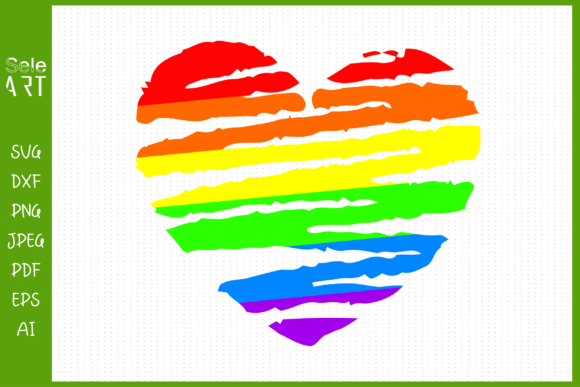
When I opened LGBT Pride Rainbow Flag Heart Love for the first time, I didn’t just see a graphic—I saw a moment. A small but meaningful gesture: a heart shaped like the classic six-stripe rainbow flag, clean-lined and centered. It’s not overly detailed or fussy. No gradients, no drop shadows, no extra flourishes. Just confident color blocks arranged with intention. That simplicity is its strength—especially in embroidery, where clarity trumps complexity every time.
Real-World Test: Embroidering It on a Linen Tote Bag for a Local LGBTQ+ Bookstore
Last week, I stitched LGBT Pride Rainbow Flag Heart Love onto a natural linen tote for a boutique launch. We used medium-weight cutaway stabilizer, 40-weight polyester thread, and a 4" hoop. The result? Crisp satin-stitched edges on the heart outline, smooth fill stitches across each stripe, and zero puckering—even on the slightly uneven weave of the linen. Customers responded immediately: “That’s the one I want,” said three people before noon. Why? Because it reads clearly at arm’s length, feels handmade (not digital-printed), and carries warmth without shouting.
Where This Design Truly Shines
- Custom apparel: Works beautifully on sweatshirts and crewneck tees—especially when placed left-chest or center-back. The balanced proportions avoid looking cramped or oversized.
- Tote bag design & aprons: Holds up well on medium-to-heavy fabrics where stitch definition matters most. The heart shape frames nicely without needing extra borders or frames.
- Baby embroidery & nursery decor: Soft enough for onesies and pillow covers—just swap bright threads for muted pastels if needed. Its gentle symbolism lands thoughtfully in family-focused spaces.
- Holiday embroidery & wedding gifts: Stitches cleanly onto tea towels, napkin sets, and guest book covers. It reads as celebratory, inclusive, and personal—not generic.
- Etsy seller & small shop product: Converts well in listings because it’s instantly recognizable, emotionally resonant, and versatile across categories—from patches to wall decals.
Use With Care: Practical Limits You’ll Want to Know
This isn’t a one-size-fits-all embroidery file—and that’s okay. Here’s where attention pays off:
- Small hoop sizes (under 3"): The heart’s clean lines hold up, but avoid shrinking it below 2.5". Tiny rainbows blur; stitch density suffers.
- Textured or stretchy fabric: On knits or jersey, use tear-away + light cutaway stabilizer combo. Running stitch outlines may shift without support.
- Dark fabric: Test thread contrast first. Some rainbow palettes fade on navy or black unless you boost brightness or add white underlay.
- Curved surfaces (caps, hats): Not ideal for front-panel cap embroidery unless resized and re-digitized for curve compensation. Stick to flat or gently rounded areas like back yokes or pockets.
- Frequent-wash items: Reinforce with proper stabilizer and high-quality thread. Avoid dense fill areas near seams where stress concentrates.
What It Adds to Your Finished Product—Beyond Stitching
LGBT Pride Rainbow Flag Heart Love doesn’t just decorate—it communicates. When stitched onto a handmade apron for a queer-owned bakery, it quietly affirms values. On a personalized gift for a friend’s coming-out celebration, it feels intentional, not performative. That nuance builds customer trust. Buyers notice when a design feels considered—not just dropped into a layout.
Visually, it elevates handmade presentation. Unlike busy clipart-style graphics, this design leaves breathing room. That makes mockups cleaner, Etsy thumbnails sharper, and boutique displays more cohesive. It also supports brand consistency—if your craft business centers around inclusivity, joy, or community, this heart reinforces that without needing explanation.
Embroidery Designer Notes—From My Hoop to Yours
- Always test on scrap fabric first—especially if using textured weaves, blends, or new stabilizer combos.
- Check thread color contrast on both light and dark backgrounds before stitching the final piece.
- Review stitch density—if the file includes dense fill areas, consider reducing density slightly for breathable fabrics like cotton poplin.
- Confirm hoop size compatibility before loading into your machine. Most versions fit comfortably in a 4×4 hoop, but verify.
- Inspect small details—like stripe alignment at the heart’s curve. If edges look jagged or misaligned in your software, it may need manual cleanup.
- Test in black-and-white mockups too—this reveals value contrast issues invisible in color previews.
- Use proper stabilizer—cutaway for stable wovens, tear-away for lighter cottons, and hybrid for knits.
- Confirm licensing before selling finished items or reselling the digital embroidery file. Since it’s labeled for Cricut or Silhouette use, double-check commercial rights if offering embroidered goods on Etsy or at craft fairs.
Final Thought: A Quietly Powerful Design Asset
LGBT Pride Rainbow Flag Heart Love isn’t flashy—but it’s reliable. It works for craft business owners who value authenticity over trends, for embroidery designers who prioritize stitchability, and for customers who choose handmade because they want meaning woven in. Whether you’re prepping a batch of pride-themed kitchen towels or designing a limited-run patch collection, this heart earns its place—not as decoration, but as quiet, confident statement. And in today’s handmade market, that kind of intention is worth every stitch.