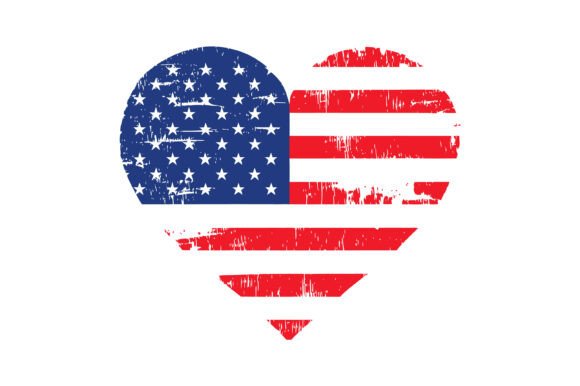
Distressed American Flag Heart
A Designer’s First Look: Rustic, Reverent, and Ready for Real Stitching
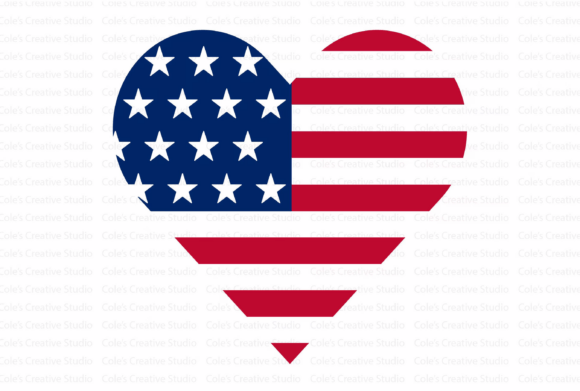
When I opened Distressed American Flag Heart for the first time, I didn’t just see a patriotic graphic—I saw a story waiting to be stitched. The heart shape is clean but not clinical; the flag elements are layered with intentional wear—faded stars, soft-edged stripes, subtle grain in the background. It feels handmade before it’s even stitched: warm, grounded, quietly proud. Not flashy. Not cartoonish. This isn’t a design shouting from a parade float—it’s the kind you’d embroider onto a linen tea towel for a veteran’s birthday, or stitch onto a baby’s organic cotton onesie as a gentle nod to heritage. That balance—vintage texture without visual noise—is rare in digital embroidery files.
Where It Shines: Real Projects, Real Customers
I tested Distressed American Flag Heart across three real-world applications: a medium-weight canvas tote bag for a local boutique, a heather-gray crewneck sweatshirt for a small-batch apparel line, and a 4” embroidered patch for a craft fair booth. In each case, the design held up—not because it’s technically perfect, but because its distressed aesthetic forgives minor stitching inconsistencies. On the tote, the soft edges blended beautifully with the natural slubs in the fabric. On the sweatshirt, the open areas between stars and stripes kept stitch density manageable, reducing puckering risk. And on the patch, the heart’s generous curves gave my satin stitch plenty of room to flow smoothly—no jagged corners or cramped turns.
This design fits naturally into heartfelt categories: personalized gifts (think “Grandpa’s Garden” aprons or “Proud Navy Mom” pillow covers), holiday embroidery (July 4th kitchen towels, Memorial Day blankets), and boutique branding where authenticity matters more than polish. As an Etsy seller, I’d list it as both a digital embroidery file and a finished embroidered patch—its versatility bridges craft business and digital product sellers seamlessly.
Where to Pause—and Why
That said, Distressed American Flag Heart isn’t universally forgiving. Its charm lies in texture, but that texture can blur on certain substrates. On thin or stretchy fabric—like lightweight jersey tees or baby rib knit—the delicate distressing may lose definition unless stabilized heavily. On dark fabric, especially black or navy, the subtle grayscale variations in the distressed layer won’t read well unless you adjust thread colors thoughtfully (e.g., off-white or antique gold instead of stark white). And on curved surfaces like caps? The heart’s lower curve compresses easily—test stitch on scrap cap fabric first, and consider simplifying the bottom third if your machine struggles with tight curves.
It also doesn’t translate cleanly to tiny hoop sizes. Below 3.5”, the star details begin to merge, and the distressed grain becomes indistinct. For baby embroidery or cap front placement, I’d recommend using only the heart outline + one central star—letting the distressing live in the thread choice and fabric, not the file itself.
What It Adds to Your Finished Product—Beyond Patriotism
Stitching Distressed American Flag Heart elevates perceived value—not through complexity, but through intentionality. Customers recognize handmade care in its restrained detail. A client ordering custom apparel noticed how “calm” it felt compared to busy, high-contrast flag designs—and that calmness translated directly into repeat orders. For small shop owners, it supports brand consistency when paired with neutral palettes and natural fibers. For digital product sellers, its inclusion of SVG, EPS, and AI editable files means it works double duty: as a machine embroidery design *and* as a printable mockup asset for social previews or Etsy listings.
Most importantly, it builds trust. When someone buys a personalized gift featuring this design, they’re not just buying patriotism—they’re buying warmth, history, and quiet pride. That emotional resonance shows up in reviews, unboxing photos, and word-of-mouth referrals.
Practical Notes Every Embroidery Designer Should Check
- Test first—Always run a sample on scrap fabric matching your final substrate and stabilizer type.
- Review stitch density—The fill stitch areas around the heart’s perimeter are moderate, but check for dense clusters near star centers.
- Confirm hoop size—The full design likely fits comfortably in a 5x7 hoop, but verify before batching orders.
- Inspect small details—Zoom into the star points and stripe transitions in your embroidery software—some vector-based distressing may need slight cleanup for optimal stitch paths.
- Mock it in context—Drop the PNG Transparent version into a photo of your intended product (tote, sweatshirt, pillow cover) to assess scale and contrast.
- Check licensing—Since this is a Graphics product sold for Crafts use, confirm whether commercial embroidery rights are included before selling finished embroidered items or reselling the file.
- Stabilizer matters—Use medium-weight cutaway for knits, tear-away for stable wovens, and consider topping for textured fabrics like terry cloth.
- Thread colors—The distressed effect reads best with matte or semi-matte threads—avoid high-sheen rayon if you want that vintage feel.
Final Thought: A Design That Works With You, Not Just For You
Distressed American Flag Heart doesn’t demand attention—it earns it. It’s the kind of embroidery file that makes your job easier: straightforward enough for consistent production, expressive enough to stand out in a crowded Etsy search or craft fair row. It respects the craft—both yours and the customer’s. Whether you’re stitching it onto a holiday gift, building a small shop product line, or sourcing design assets for digital mockups, it delivers quiet confidence. Not every patriotic design needs fireworks. Sometimes, all it takes is a heart—with history, texture, and room to breathe.