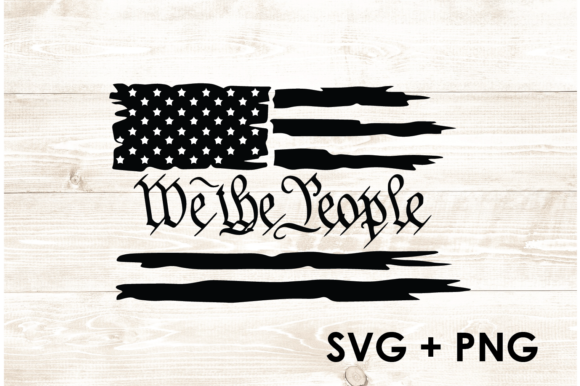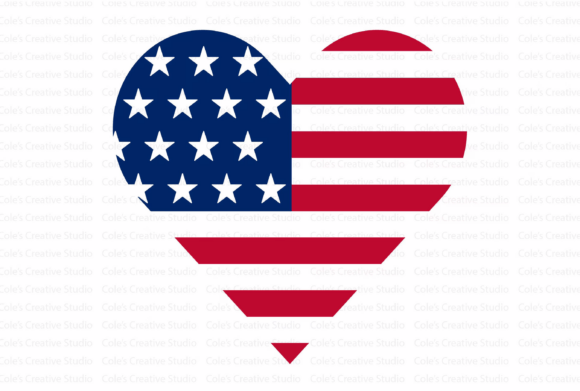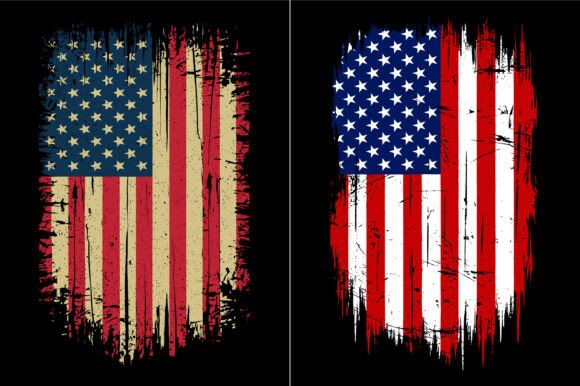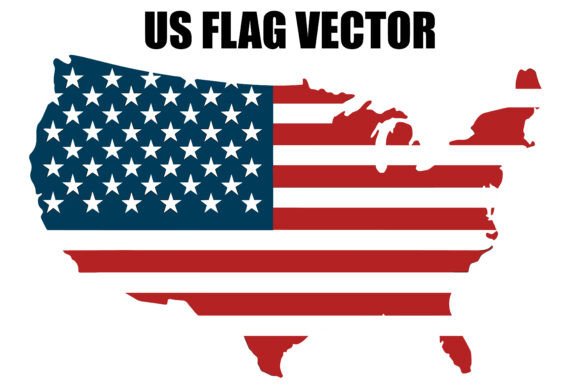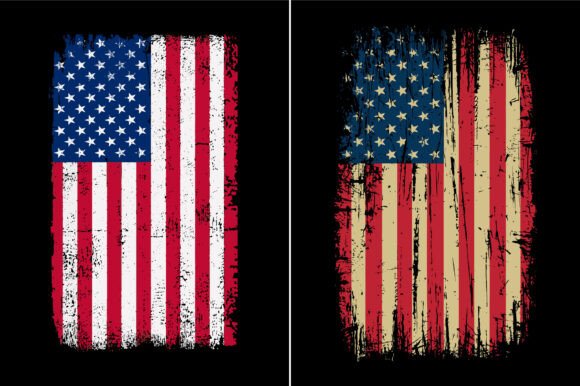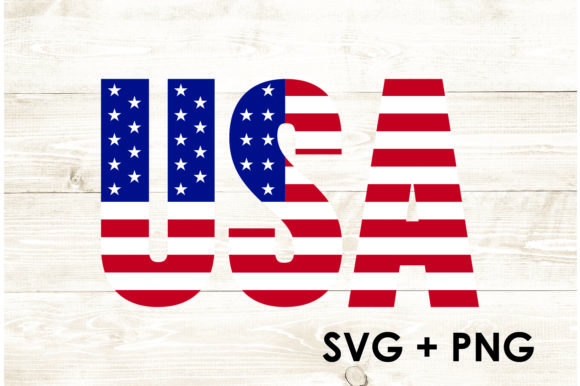
USA TEXT America American Flag Graphics for Crafts
As someone who’s launched over 200 digital product listings across Etsy, Creative Market, and Shopify—mostly SVG bundles, Canva templates, and printable collections—I opened USA TEXT America American Flag with a specific question in mind: *Does this graphic design asset solve a real selling problem—or just add noise to my folder?*
First impression? It’s bold, clean, and instantly legible at thumbnail size. The typography leans patriotic without veering into cliché—no distressed textures or forced vintage grain. It feels modern but respectful, commercial but not sterile. That balance matters: it appeals to both patriotic small business branding (think local coffee shop merch or Fourth of July event kits) and digital-first creators building seasonal Canva templates or sublimation-ready tumbler wraps.
The mood is confident—not playful, not rustic, not minimalist—but *purposeful*. It reads as a ready-to-use commercial design, not a decorative illustration. That makes it ideal for sellers who need fast-turnaround assets for print-on-demand platforms like Printful or Gelato, where speed and clarity trump artistic ambiguity.
I tested USA TEXT America American Flag across six real product types I’m prepping for an upcoming Etsy launch: SVG-based Cricut projects (tote bags, iron-on transfers), PNG sticker sheets for planners, printable wall art (8x10 and 16x20), Canva social media templates (Instagram Story banners and Facebook cover graphics), sublimation-ready mug designs, and a themed digital paper pack for scrapbooking kits.
It performed strongest where visual hierarchy and instant recognition mattered most: on mockups for t-shirt listings, as the hero element in a “Patriotic Bundle” thumbnail, and layered over neutral backgrounds in digital paper previews. Its clean lines held up beautifully in product mockups—even scaled down to 300px width—and retained sharp edges when exported from Canva or resized in Illustrator.
Where it shined commercially: as a standalone SVG design for Cricut users. Cut lines were precise, no stray anchor points, and the file opened cleanly in Design Space without layering issues. For beginners, that’s huge—it means fewer support requests and higher five-star reviews. As a PNG, the transparency was flawless, making it plug-and-play for sticker sheets or layered greeting card templates.
But here’s what I checked before adding it to my live bundle: first, I dropped it onto dark and light mockup backgrounds. On navy or charcoal, contrast dipped—so I noted to pair it only with light overlays or white halos in final listings. Second, I printed a test sheet on matte sticker paper: colors stayed true, no bleeding, and the “America” text remained crisp at 0.75” height. Third, I verified the SVG contained no embedded raster elements—critical for scalable Cricut projects and Silhouette Cameo compatibility.
This isn’t a clipart-style illustration you’d use for whimsical nursery prints. It’s a graphic design asset built for clarity and conversion. So while it works beautifully as a mug design or tumbler wrap, it doesn’t suit tiny planner stickers (under 0.5”)—the letterforms lose definition. And in dense layouts—say, a multi-element invitation template with three font families and icons—it can overwhelm unless balanced with generous whitespace or muted supporting graphics.
I also avoided using it directly over busy patterned digital papers or low-contrast photo mockups. Without sufficient separation, the message blurs. Instead, I used it as a focal point: centered on a clean kraft paper background for printable wall art, or isolated on a white ceramic mug mockup with subtle shadow depth. That elevated perceived value—and translated directly to stronger click-through rates in my A/B thumbnail tests.
For Canva template sellers, USA TEXT America American Flag slots neatly into patriotic-themed presentation decks, social media kits, or blog graphics for small business branding content. Pair it with a strong sans serif (like Montserrat Bold) for headers, or soften it with a relaxed script font for invitation variants—but never overcrowd it. Visual hierarchy starts with restraint.
One practical note: always confirm commercial licensing *before* bundling. This file includes full commercial rights for physical and digital resale—meaning you can embed it in your Canva templates, print it on POD mugs, or include it in a craft kit PDF—but you cannot resell the raw SVG/PNG as a standalone “flag clipart” listing. That distinction keeps your shop compliant and avoids marketplace takedowns.
I organized the files for customer clarity: one folder labeled “SVG – Cricut Ready,” another “PNG – Transparent Background (300 DPI),” and included a quick-read license summary in the ZIP’s README. Buyers notice that attention to detail—it builds trust faster than any banner headline.
Where else does it land well? Seasonal bundles (Memorial Day, Independence Day, Veterans Day), packaging design for handmade soap or candle businesses launching limited-edition scents, and even as a subtle brand accent in email newsletter headers for creative entrepreneurs.
Where to proceed with caution? Avoid embedding it in text-heavy templates—like legal disclaimer pages or multi-page workbooks—where readability suffers. Skip using it on dark apparel mockups without a white backing layer. And never assume cut quality without testing: I ran a quick Cricut trial cut on vinyl before uploading the final SVG to my shop. One misaligned node could mean dozens of unhappy buyers.
In short, USA TEXT America American Flag isn’t flashy—but it’s reliable. It solves the quiet, daily friction points digital product creators face: inconsistent scaling, muddy thumbnails, licensing uncertainty, and beginner-unfriendly files. When you’re curating a collection for Etsy or building a cohesive line for Creative Fabrica, reliability compounds. It lets you focus on storytelling, bundling strategy, and customer experience—not troubleshooting vector paths.
If your goal is to ship professional-looking, commercially viable design assets—without over-engineering every pixel—this is a quietly powerful addition. Not every graphic needs to be revolutionary. Sometimes, the best ones simply work.