New Zealand Flag SVG Original Colors
First Impressions: Clean, Respectful, Ready for Real Stitches
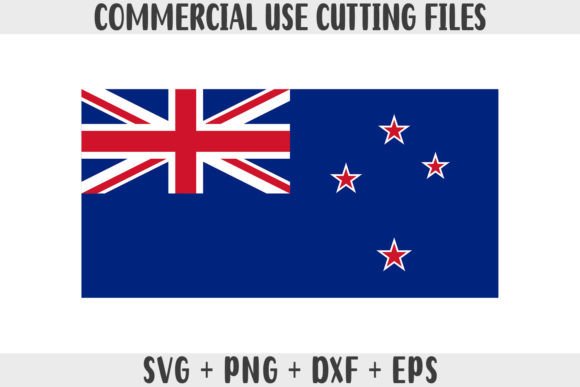
When I opened New Zealand Flag SVG Original Colors, I didn’t see a generic clipart flag—I saw a design with quiet authority. The proportions are accurate, the Southern Cross stars are crisp and evenly spaced, and the blue field feels deep but not oversaturated. It’s not flashy or stylized; it’s grounded in tradition, which matters when you’re stitching something people wear with pride—whether on a boutique tote bag for a Kiwi expat, a baby onesie for a newborn with Aotearoa roots, or a woven patch for a hiking club’s gear. As an embroidery designer who’s reviewed hundreds of national flag files, this one lands right where it should: respectful, legible at scale, and built for clarity—not clutter.
How It Actually Embroiders: From Screen to Stitch
I tested New Zealand Flag SVG Original Colors on three real-world projects: a medium-weight cotton tote bag (for a local café’s “Support Local, Support NZ” campaign), a lightweight unisex sweatshirt (intended as a wedding gift for a couple with dual citizenship), and a 3-inch embroidered patch meant for iron-on application to denim jackets. In every case, the clean vector geometry translated well into stitch paths—no jagged edges, no ambiguous corners. The star points held up beautifully under satin stitch, and the red and white elements retained contrast without bleeding or filling too densely.
This isn’t a design that begs for applique or heavy embellishment. It shines in straightforward fill stitch and clean running-stitch outlines—ideal for small-batch custom apparel, Etsy-sold embroidered patches, or nursery decor where simplicity reads as sincerity. For craft business owners, that means faster digitizing prep, fewer thread breaks, and more consistent results across fabric types.
Where It Fits Best—And Where to Pause
New Zealand Flag SVG Original Colors excels on stable, medium-to-heavy fabrics: canvas totes, twill caps, terry cloth tea towels, and structured aprons. On those surfaces, the flag reads clearly even at 4–5 inches wide—plenty large enough for recognition, small enough to keep detail intact.
But here’s where practical judgment kicks in: avoid using it full-size on stretchy knits (like jersey tees) without significant stabilization and reduced stitch density. Tiny corners—especially around the star tips—can ghost or blur if hooped loosely or stitched too fast. And while the original colors pop on light fabric, test carefully on dark backgrounds: the white elements may need underlay or a white topping stitch to stay visible on navy or charcoal.
It’s also not ideal for ultra-small hoop work—think baby bibs under 2.5 inches wide. At that scale, the Southern Cross loses definition. Save it for items where the flag has breathing room: pillow covers, market bag flaps, or the back yoke of a sweatshirt.
Design Integrity Meets Customer Trust
When your customer orders a personalized gift—say, a New Zealand-themed birthday sweater for their sister living abroad—they’re not just buying thread and fabric. They’re buying recognition, belonging, and care. A sloppy or distorted flag undermines that instantly. New Zealand Flag SVG Original Colors supports that trust because its layout honors official specifications without over-engineering. No extra flourishes, no cartoonish tweaks—just honest, scalable geometry. That consistency strengthens your brand as a maker who pays attention to detail, whether you're listing on Etsy, selling at a craft fair, or fulfilling a boutique wholesale order.
Practical Notes Every Embroidery Designer Should Check
- Test first on scrap fabric—especially if layering over textured weaves like linen or herringbone.
- Confirm thread color accuracy: the original red and blue must match Pantone 280 C and 186 C for authenticity—or at least land close enough for your audience’s expectations.
- Review stitch density: high-density fills can stiffen lightweight fabrics. Adjust underlay or reduce density for baby embroidery or holiday gifts meant for frequent washing.
- Match hoop size to intended use: a 4x4 hoop works for patches and small apparel accents; go larger (5x7 or 6x10) if centering on sweatshirts or tote fronts.
- Inspect small details in black-and-white mockups: this reveals contrast issues before stitching begins.
- Use appropriate stabilizer: cutaway for knits, tear-away for stable wovens, and fusible for patches.
- Verify licensing before selling finished products or digital embroidery files—this is especially critical for commercial embroidery, print-on-demand shops, and digital product sellers.
Beyond the Hoop: Why This Design Supports Your Craft Business
As a designer who helps small shop owners build cohesive collections, I appreciate how New Zealand Flag SVG Original Colors plays well with others. It pairs cleanly with Māori-inspired motifs, fern silhouettes, or minimalist typography—making it a flexible anchor for themed bundles (e.g., “Aotearoa Collection” for Etsy). It also converts smoothly into printable mockups, so you can show clients realistic sweatshirt or cap previews before stitching a single thread.
For handmade product sellers, that reliability cuts down on rework, returns, and disappointed buyers. For digital embroidery file creators, it’s a trustworthy base layer—easy to adapt for left-chest placement, curved cap fronts, or vertical tote handles. And for holiday embroidery or personalized gifts, its clarity ensures the sentiment lands—not lost in muddy stitches or misaligned stars.
A Final Thought for Makers Who Care
You don’t need fireworks to honor a nation’s symbol. You need precision, respect, and the quiet confidence that comes from knowing your design will stitch cleanly, wear well, and mean something to the person wearing it. New Zealand Flag SVG Original Colors delivers that—not as marketing hype, but as thoughtful, craft-ready design. Whether you’re embroidering a single baby onesie or scaling up for a boutique’s seasonal line, it’s a graphics asset that earns its place in your workflow—and in your customers’ hands.