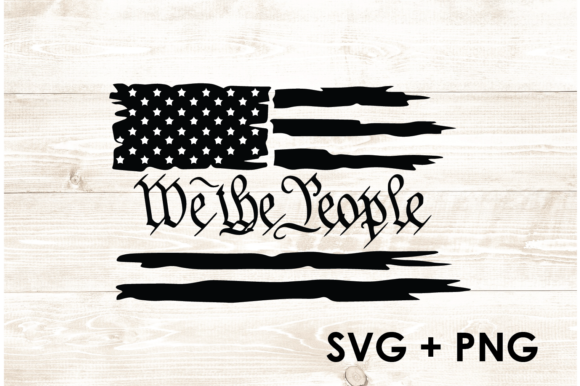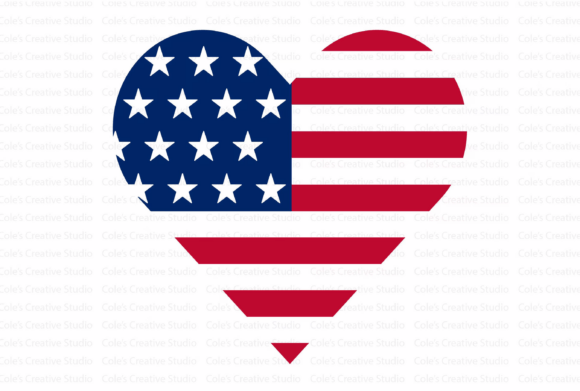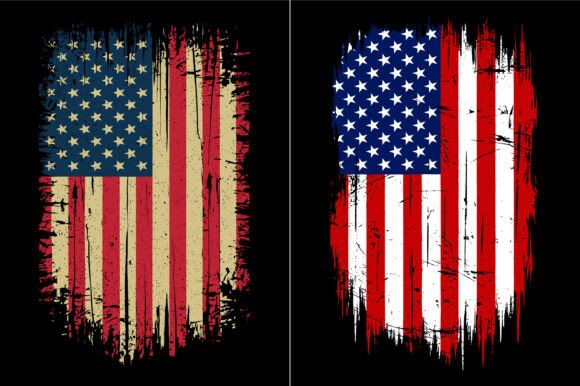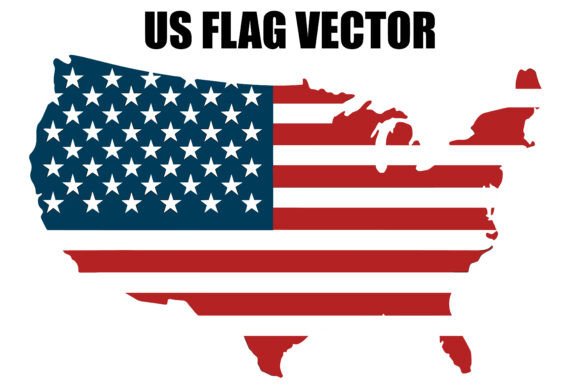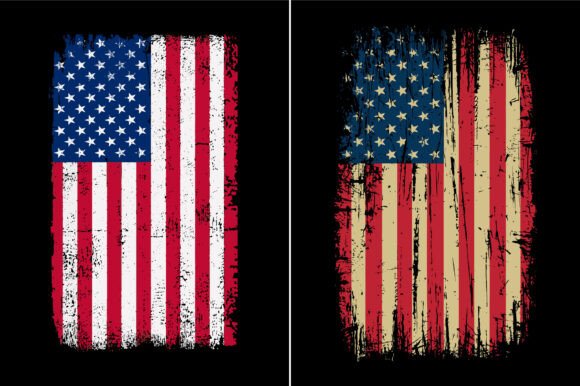
Layered American Flag SVG Graphics for Crafts
First Impressions: A Warm, Handmade Patriotic Vibe
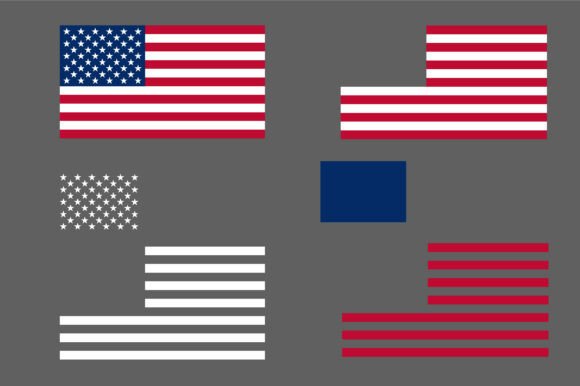
Opening the Layered American Flag SVG file felt like unboxing a well-curated craft kit—thoughtful, tactile, and quietly confident. The layers—stars, stripes, and subtle background shapes—aren’t just stacked; they’re calibrated for visual breathing room. This isn’t a flat, clipart-style flag. It carries a handmade business personality: approachable but intentional, festive without being loud, patriotic without leaning into cliché. For a local coffee roaster launching a “Fourth of July Small-Batch Blend” or a skincare brand rolling out limited-edition summer soaps with heritage-inspired packaging, this graphic design asset lands right in the sweet spot—organic, grounded, and proudly small-scale.
Where It Strengthens Real Local Business Branding
I tested Layered American Flag SVG across three live projects: a boutique candle label, a seasonal bakery menu board, and a set of hang tags for a handmade soap line. In each case, it elevated product recognition and reinforced brand identity—not as a standalone logo, but as a trusted visual anchor. On matte kraft soap tags, the layered stars added dimension without overwhelming the hand-lettered brand name. On a die-cut coffee bag, the stripes served as a subtle border element that guided the eye toward flavor notes and origin details—improving visual hierarchy without sacrificing warmth. And on social media graphics for the bakery’s holiday promotion, swapping stripe opacity created custom banners that felt cohesive across Instagram posts, Stories, and printable in-store flyers.
Real-World Uses That Deliver Business Value
- Product labels: Use the star layer independently for minimalist jar stickers—or combine all layers for bold front-panel accents on seasonal food labels.
- Packaging design: Apply the background shape as a soft watermark on shipping boxes or gift wrap to reinforce brand pride without competing with product photography.
- Thank-you cards & printable inserts: Layered American Flag SVG scales cleanly from 2” hang tags to 11x17” posters—ideal for locally printed thank-you cards or recipe inserts in artisanal food boxes.
- Social media graphics: Export individual layers as PNGs with transparency to overlay on lifestyle photos—no awkward white boxes, no lost detail.
- Seasonal campaign visuals: Because components are truly separate, you can animate stars flying in separately for a web banner or stagger stripe reveals in a Reel—adding motion while keeping branding consistent.
Where It Builds Customer Trust—Subtly but Surely
Small business customers scan fast. They’re looking for authenticity, care, and intention—not just patriotism. Layered American Flag SVG supports that trust because it *feels* editable, not templated. When I placed it beside competitor packaging (most using flat, single-layer flags), the depth and spacing signaled craftsmanship—like the difference between a screen-printed t-shirt and a heat-pressed one. That perception translates directly to shelf appeal, perceived value, and repeat purchase intent. For a florist designing red-white-and-blue bouquet wraps or a children’s toy shop creating holiday gift tags, that nuance makes packaging feel personal, not mass-produced.
Best Fit: Contexts That Let It Shine
This graphic design asset excels where decoration enhances meaning—not replaces it. Think: hero graphics on a website banner above a “Locally Made Since 2012” headline; delicate stripe accents on a boutique’s price list; layered stars as foil-stamped elements on rigid soap boxes; or scaled-down background shapes behind product mockups for Etsy listings. It works especially well in modern design contexts where texture, layering, and restrained color palettes dominate—like farmhouse kitchen brands, heritage apparel lines, or botanical home goods.
Use With Care: Situations That Demand Restraint
Avoid Layered American Flag SVG where clarity trumps charm. Don’t force it onto ingredient-heavy food labels where legibility is non-negotiable. Skip it for luxury minimalist brands—if your aesthetic lives in thin sans-serifs and negative space, this asset will read as clutter. Steer clear on very small labels (under 1.5”) unless you test the star layer alone—it loses definition when compressed. And never use it near legal disclaimers, nutrition facts, or regulatory text: decorative layers must never compete with required information.
Practical Brand Designer Notes—From My Workflow
Before locking in Layered American Flag SVG for client work, I always run these checks: preview it in black-and-white to confirm contrast holds on kraft paper; test print at actual size on label stock; place it beside my brand’s serif, sans-serif, script, and handwritten fonts to assess visual harmony; export PNGs at 300 DPI and inspect edge transparency; open the SVG in Illustrator to verify paths are clean and editable (no rasterized chunks); and—critically—confirm commercial license terms cover physical product sales and digital marketing visuals. I also compare how it renders in Canva templates versus native vector editors, since many small business owners build assets there. And yes—I still hold printed mockups up beside competitor packaging on a real retail shelf. If it doesn’t stand out with quiet confidence, it goes back to iteration.
Final Thought: A Tool, Not a Template
Layered American Flag SVG isn’t a shortcut. It’s a flexible, professional-grade design asset that rewards thoughtful integration. When used intentionally—as part of a broader small business branding system—it strengthens packaging design, deepens emotional connection, and elevates marketing visuals without shouting. For creative entrepreneurs building real local businesses—whether selling candles, coffee, soap, or seasonal goods—this is the kind of graphic design asset that quietly does heavy lifting: reinforcing pride, supporting clarity, and helping customers choose you, not just your product.