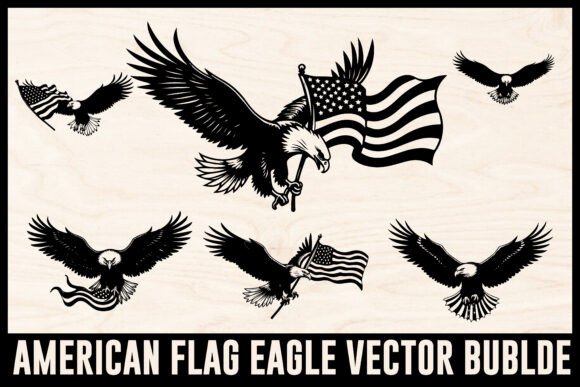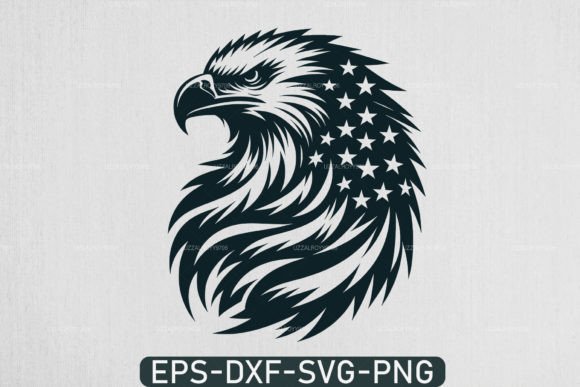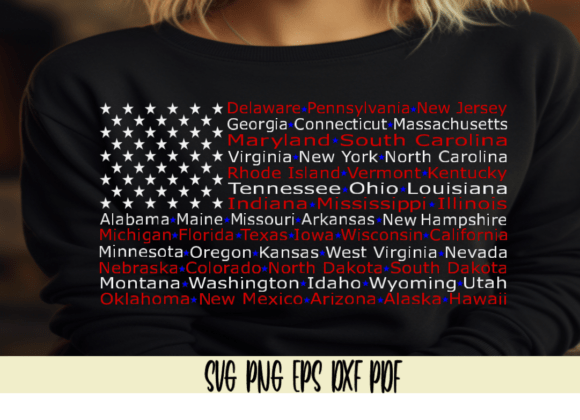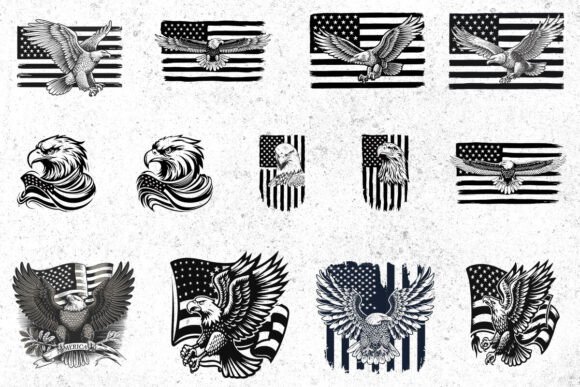
4th of July PNG, American Flag Eagle PNG
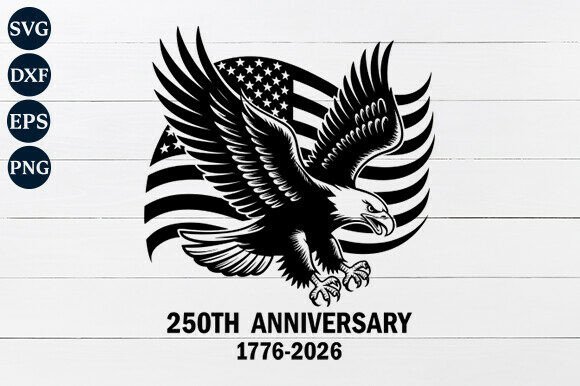
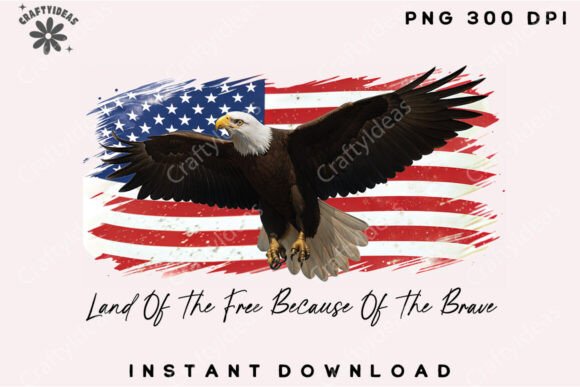
As a designer who’s stitched hundreds of patriotic pieces—from boutique baby onesies to custom aprons for local cafes—I opened 4th of July PNG, American Flag Eagle PNG expecting boldness. What I found was something more nuanced: a clean, centered composition featuring a stylized eagle clutching a shield with stars and stripes, wings subtly flared, and the phrase “America Land Of The Free Because Of The Brave” arched above in strong, legible lettering. It’s not overly ornate, but it’s confident—like a well-tailored flag pin rather than a fireworks explosion. That balance makes it unusually versatile for real embroidery work.
First Impressions: Simplicity With Intention
The design reads clearly at a glance—no squinting, no decoding. The eagle’s silhouette is simplified just enough for smooth satin stitching, while retaining enough character to feel dignified, not generic. The flag elements are integrated, not slapped on: stripes flow into wing feathers, stars nestle into the shield. That kind of visual cohesion matters when you’re translating pixels to thread. I immediately pictured it on a natural linen tea towel—crisp, grounded, quietly proud—and on a navy cotton tote bag, where the white-and-red contrast would pop without shouting.
Where It Shines (and Where It Needs Care)
This 4th of July PNG, American Flag Eagle PNG works beautifully for medium-to-large hoop applications: 4"–6" embroidery areas on sweatshirts, pillow covers, and kitchen towels. Its layout avoids tight corners and overlapping fine lines, so fill stitch coverage stays even and stabilizer doesn’t fight back. On a recent test run for a small-batch embroidered apron line, it stitched cleanly on midweight cotton twill with standard cutaway stabilizer—no puckering, no thread breaks.
But here’s where judgment matters: avoid using it full-size on baby onesies or curved cap fronts without simplifying first. The lettering, while legible in the PNG, becomes fragile under dense satin stitch at under 3". Likewise, on stretchy fabric like jersey tees or thin knit baby blankets, that top banner text needs extra stabilization—or better yet, a version with condensed spacing. And on dark fabric? Test your thread colors carefully. The original PNG suggests red, white, and navy, but true navy thread on black fabric can disappear; a slightly brighter royal or a tonal gray might read better.
A Real Project Check-In: Custom Tote Bags for a Local Market
Last weekend, I used 4th of July PNG, American Flag Eagle PNG as the centerpiece for 25 canvas tote bags destined for a downtown Independence Day market stall. I resized it to fit a 5.5" hoop, adjusted the stitch density to reduce bulk (especially around the eagle’s wingtips), and paired it with matte cotton thread for a soft, handmade feel—not shiny or mass-produced. Customers responded strongly: “It feels respectful, not loud,” one said. Another asked if I offered matching patches. That tells me the design carries weight without overwhelming—exactly what craft business owners need for cohesive, trustworthy branding.
What It Adds to Your Finished Product
When executed well, this design elevates perceived value. It reads as intentional, not clip-art. That matters for Etsy sellers listing personalized gifts or small shop owners curating holiday collections. A customer buying a hand-embroidered kitchen towel with 4th of July PNG, American Flag Eagle PNG isn’t just buying decor—they’re buying sentiment anchored in craftsmanship. And because the composition leaves breathing room, it pairs naturally with monogram initials, small star accents, or even a subtle border stitch—giving you room to personalize without crowding.
That said, don’t assume it automatically fits every commercial use case. As a digital embroidery file, it’s a starting point—not a finished solution. Its strength lies in how thoughtfully you adapt it: trimming excess letter height for baby items, simplifying feather detail for dense applique, or converting the banner text to outline stitch for lightweight fabrics.
Practical Designer Notes Before You Stitch
- Always test on scrap fabric first—especially with textured weaves like burlap or terry cloth, where stitch definition blurs easily.
- Review stitch density before running on apparel. High-density fills look sharp on stable fabrics but can stiffen delicate garments.
- Confirm hoop size compatibility. This design scales well, but shrinking below 3.5" risks losing clarity in the eagle’s eye and letter spacing.
- Inspect small details in your embroidery software: check for stray anchor points or unintentional overlaps in the flag stripe layer.
- Test black-and-white mockups to assess contrast—critical for gift buyers scanning listings on mobile.
- Compare light vs. dark fabric backgrounds in your design preview. White thread on cream linen reads warm; on ivory poly-cotton, it can look dingy without a slight off-white thread swap.
- Use appropriate stabilizer: cutaway for knits and stretchy fabrics, tear-away for stable wovens like quilting cotton or canvas.
- Verify licensing before selling finished items or bundling this as part of a digital product. Since the listing states it’s a single PNG file, confirm whether commercial embroidery rights are included—or if you’ll need to digitize separately for machine use.
Final Thought: A Design That Serves the Maker
This isn’t flashy. It won’t go viral for its novelty. But 4th of July PNG, American Flag Eagle PNG serves a quiet, steady purpose—it gives crafters, Etsy sellers, and small shop owners a reliable, emotionally resonant asset they can build upon. Whether you’re stitching a heartfelt gift for a veteran, launching a limited holiday collection, or stocking your craft fair booth with embroidered tea towels and patches, it delivers clarity, dignity, and flexibility. In the world of Crafts and Graphics, that’s rare—and valuable.