30 American Flag SVG Graphics for Crafts & Branding
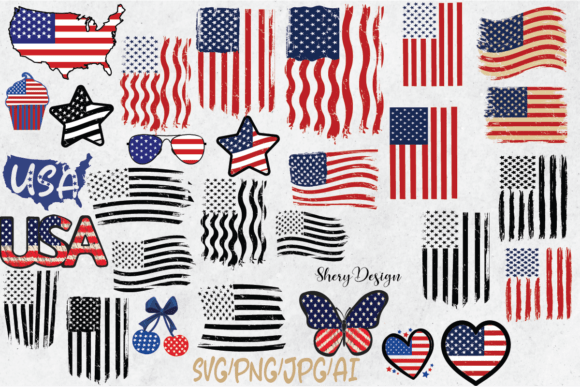
As a brand designer who’s helped over 80 local businesses refine their visual identity—from artisanal candle makers in Asheville to family-run bakeries in Portland—I recently evaluated 30 American Flag SVG, 4th of July SVG for a real-world project: rebranding a seasonal line of small-batch patriotic cookies sold at farmers’ markets and boutique grocers.
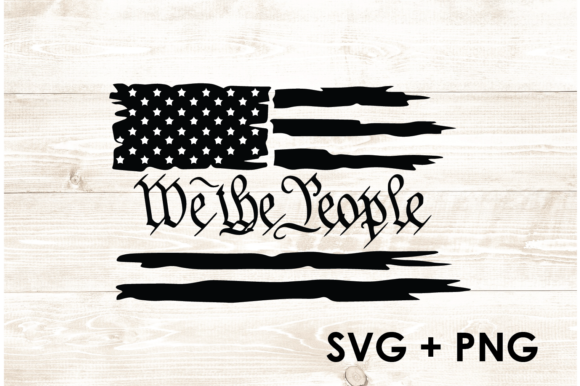
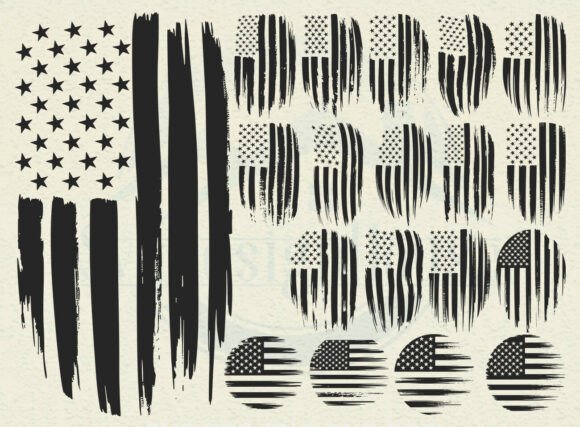
My first impression? This is a graphic design asset with strong mood direction—not neutral or generic. The distressed, grunge-style USA flag motif leans into authenticity, handmade charm, and approachable patriotism. It reads as warm, spirited, and community-minded—not corporate, not sterile, not overly polished. That makes it ideal for small business branding where customers value sincerity over slickness: think farmhouse skincare labels, rustic coffee shop merch, children’s toy packaging, or floral arrangements for Independence Day pop-ups.
Where This SVG Design Fits—and Where It Doesn’t
The collection delivers consistent texture and intentional imperfection—ideal for brands that want to signal “locally made,” “hand-poured,” or “family-owned.” It feels organic, not mass-produced. That’s why it landed perfectly on kraft paper cookie boxes, linen tea towel tags, and matte-finish hang tags for a handmade soap line launching its summer collection. But I’d avoid it for luxury skincare or high-end home goods—it lacks the precision and restraint those categories demand.
Real Local Business Uses That Actually Work
In practice, 30 American Flag SVG, 4th of July SVG shines when used intentionally—not as filler, but as functional brand reinforcement:
- Product labels: As a subtle border element or corner accent on jar labels for maple syrup, hot sauce, or spice blends—adds instant seasonal context without overwhelming ingredient lists.
- Packaging design: Works beautifully as a foil-stamped pattern on rigid gift boxes or as a die-cut window overlay on compostable mailers for a boutique’s limited-edition 4th of July bundle.
- Social media graphics: Scales cleanly across Instagram posts, Pinterest pins, and Facebook event banners—especially when layered over warm-toned photography of real products in use (e.g., a flag-accented banner behind a picnic table styled with branded lemonade bottles).
- Printable design & marketing visuals: Used in printable thank-you cards included with online orders, or as background texture in Canva templates for email headers and digital flyers—adding cohesion across touchpoints.
- Seasonal campaign visuals: Anchors hero graphics for storefront window decals, sidewalk chalk stencils, and temporary wall murals in cafes and boutiques—creating instant visual recognition during peak summer months.
How It Strengthens Small Business Presentation
When applied thoughtfully, this digital product supports critical brand goals: it creates a stronger first impression at crowded craft fairs; improves product recognition on crowded retail shelves; reinforces visual hierarchy by guiding the eye toward key messaging; builds consistency across packaging, social media, and print collateral; and—most importantly—deepens emotional connection through shared cultural resonance.
For our cookie client, adding one distressed flag motif to the bottom right of every label didn’t just say “patriotic”—it said “we celebrate where we’re from.” That subtlety built trust faster than any slogan could.
Smart Placement Tips for Real Packaging & Promotional Use
This SVG design performs best in these contexts:
- As an accent—not a dominant element—on product labels and hang tags
- In hero graphics for website banners and social media campaign launches
- As a repeatable texture in background layers for printable inserts or thank-you cards
- On seasonal packaging—especially for food, candles, bath products, and home decor items sold between Memorial Day and Labor Day
- In boutique visuals like shelf talkers, menu boards, and in-store signage where warmth and familiarity matter
Use with caution in:
- Formal corporate branding (e.g., law firms, financial advisors)
- Very small labels where fine distressed detail may blur or disappear in print
- Crowded packaging layouts where it competes with nutritional facts or certifications
- Legal information zones—never place near required disclaimers or ingredient statements
- Low-contrast backgrounds (e.g., light gray on white) where transparency or subtle texture gets lost
- Luxury minimalist brands where visual silence is part of the strategy
Practical Brand Designer Notes You’ll Actually Use
Before committing to 30 American Flag SVG, 4th of July SVG in your next local business project, do these six things:
- Test it on real packaging mockups—not just screen previews. Print at actual size on your intended substrate (kraft paper, matte sticker stock, etc.) to assess texture fidelity.
- Check black-and-white usage—some distressed elements vanish in grayscale; confirm legibility if you plan B&W print runs.
- Preview it on small labels—scale down to 0.75” height and verify no key detail collapses.
- Test it with your brand colors—layer it over your primary palette swatches to ensure contrast and harmony, especially with earthy or muted tones.
- Compare it beside competitor packaging—does it stand out meaningfully, or blend in too much? Distinction matters more than decoration.
- Confirm commercial licensing—this is non-negotiable. Verify the license explicitly permits use in physical product sales, client work, and promotional materials—not just personal crafts.
Also: inspect the SVG file structure—can paths be easily edited or recolored in Illustrator? Check PNG transparency edges for fringing. Test how it pairs with your brand fonts: does it hold up beside a bold sans serif menu header? Does it soften nicely next to a delicate script on a thank-you card?
Ultimately, 30 American Flag SVG, 4th of July SVG isn’t just clipart—it’s a strategic design asset for small business owners who understand that seasonal relevance, local authenticity, and visual polish aren’t mutually exclusive. When chosen with intention and executed with care, it becomes part of a stronger, more memorable brand identity—one that resonates not just on the 4th, but all summer long.